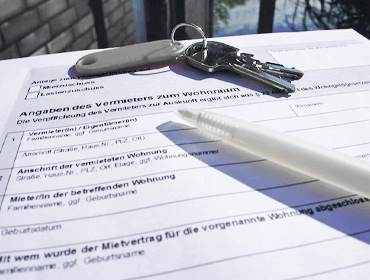
Rental listings contain terminology that summarizes conditions, responsibilities, and expectations tied to residential leases. While many terms appear familiar, their exact meaning can vary depending on location, property type, and listing source.
This article explains commonly used rental listing terms, how they are typically applied, and why reviewing terminology carefully supports clearer interpretation of rental-related information.
Rental listings are designed to summarize essential lease conditions in a condensed format. Terminology functions as shorthand for broader contractual language found in lease agreements.
Understanding these terms helps readers interpret listing details without relying solely on assumptions or informal definitions.
While rental listings vary, certain terms appear consistently across platforms. These terms generally describe payment structure, occupancy conditions, and property use.
Lease Term: The length of time a rental agreement remains active, often expressed in months.
Security Deposit: An upfront payment held according to lease conditions, typically related to occupancy and property condition.
Monthly Rent: The recurring payment required for occupancy during the lease period.
Rental listings often specify occupancy-related conditions, including maximum occupants, permitted use, and restrictions tied to residential zoning.
These terms are typically enforced through the lease agreement rather than the listing itself, but listings provide a preliminary overview.
Listings may reference maintenance responsibilities using general language. Some specify owner-handled maintenance, while others note tenant responsibilities for routine upkeep.
Responsibility allocation varies by property and lease structure, making contract review essential.
The table below outlines common rental listing terms and how they are typically interpreted within rental summaries.
| Term | What It Describes | Common Listing Usage |
|---|---|---|
| Lease Term | Duration of agreement | Time commitment reference |
| Security Deposit | Conditional upfront payment | Occupancy requirement |
| Utilities | Service responsibilities | Cost allocation summary |
| Pet Policy | Animal-related conditions | Occupancy limitation |
| Maintenance | Repair and upkeep duties | Responsibility clarification |
Rental listings are summaries, not binding contracts. Final lease documents contain expanded language that defines rights, responsibilities, and enforcement mechanisms.
Differences between listing language and lease language should be reviewed carefully before agreement execution.
Rental terminology may vary by region due to local housing regulations, customary practices, and landlord requirements.
Terms that appear standard in one area may carry different implications elsewhere.
A common misunderstanding is assuming listing terminology replaces lease documentation. Listings serve as summaries rather than complete agreements.
Another misconception involves assuming uniform definitions across platforms, when wording may differ.
Housing Members explains rental listing terminology by reviewing how terms are commonly presented across housing summaries and public listings. Content is designed for reference and interpretation only.
Rental listing terms provide a structured overview of lease conditions, responsibilities, and usage limitations. Understanding these terms supports clearer interpretation of rental-related information.
Reviewing listings alongside formal lease documentation remains an important step in evaluating rental arrangements.