

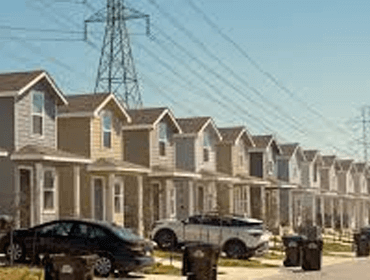
Government housing assistance programs represent one of the largest commitments of federal, state, and local resources aimed at helping Americans achieve stable, affordable housing. Yet many eligible households don't take full advantage of available benefits, either because they're unaware of programs, intimidated by application processes, or uncertain how different programs interact. This comprehensive guide demystifies government housing assistance, explaining what's available, who qualifies, and how to maximize benefits across multiple programs.
Understanding government housing benefits requires recognizing that assistance comes in many forms, from direct financial subsidies to tax advantages to favorable loan terms. Different programs serve different purposes and populations, and strategically combining multiple forms of assistance can significantly improve housing outcomes. The key lies in understanding what's available and navigating the systems effectively.
The landscape of government housing assistance is diverse and sometimes confusing. Programs operate at federal, state, and local levels, each with distinct eligibility requirements, application processes, and benefit structures. Understanding the major categories helps identify which programs might apply to your situation.
Rental assistance programs help households afford market-rate housing by subsidizing monthly payments. The Housing Choice Voucher Program, commonly known as Section 8, is the largest federal rental assistance program, serving approximately 2.3 million households. Participants typically pay 30% of their adjusted gross income toward rent, with vouchers covering the difference up to payment standards set by local housing authorities.
Homeownership assistance takes multiple forms, including favorable mortgage terms through government-backed loans, down payment assistance programs, and homebuyer education resources. Programs like FHA, VA, and USDA loans make homeownership accessible to borrowers who might not qualify for conventional financing, while state and local down payment assistance can provide grants or forgivable loans to cover upfront costs.
| Program | Type of Assistance | Primary Eligibility | Key Benefits |
|---|---|---|---|
| Housing Choice Voucher (Section 8) | Rental subsidy | Income below 50% area median | Pay only 30% of income toward rent |
| Public Housing | Subsidized housing | Income below 80% area median | Below-market rent in government properties |
| FHA Loans | Mortgage insurance | Credit score 500+, income documentation | Low down payment (3.5%), flexible credit |
| VA Loans | Mortgage guarantee | Military service requirement | No down payment, no PMI |
| USDA Loans | Rural housing financing | Rural location, income limits | No down payment, low interest rates |
| State/Local DPA | Down payment assistance | Varies by program | Grants or forgivable loans for down payment |
| LIHTC Properties | Affordable rental housing | Income below 60% area median | Below-market rents in quality apartments |
Most government housing programs base eligibility primarily on income, measured against area median income (AMI) levels established annually by HUD for each geographic area. Understanding how income eligibility works is essential for identifying which programs you might qualify for and maximizing available assistance.
Income limits vary by program and location. Very low-income households, defined as those earning below 50% of AMI, qualify for the broadest range of assistance. Low-income households at 50-80% of AMI have somewhat fewer options but still access significant programs. Some programs extend to moderate-income households up to 120% AMI, particularly for homeownership assistance in high-cost areas.
Household size affects eligibility calculations. Larger households have higher income limits, recognizing that the same income supports fewer per-person needs as family size increases. A single individual might have an income limit of $45,000, while a family of four in the same area might qualify at $64,000. Understanding how your household size interacts with income limits helps identify all programs for which you might qualify.
Non-income factors also affect eligibility. Citizenship or eligible immigration status is required for most federal programs. Criminal background can affect public housing and voucher eligibility, though policies have become more nuanced in recent years. Credit requirements vary by program, with government-backed mortgages generally more flexible than conventional financing.
Rental assistance programs can dramatically reduce housing costs for eligible households, but waiting lists and limited availability require strategic approaches. Understanding how different rental assistance programs work helps you pursue multiple options and maximize chances of receiving help.
Housing Choice Vouchers represent the gold standard of rental assistance, providing portability and choice that other programs lack. However, waiting lists can stretch years in many areas, with some jurisdictions opening applications only periodically. The strategy here involves applying to multiple housing authorities, as eligibility and waiting times vary by jurisdiction. Many people don't realize they can apply in areas where they don't currently live, potentially finding shorter wait times while maintaining the ability to use vouchers in their preferred location.
Public housing offers another option, with its own application processes and waiting lists separate from voucher programs. Some households apply to both, taking whichever becomes available first. Public housing quality varies significantly by location, so researching specific developments in your area helps identify desirable options worth pursuing.
Project-based assistance through Low Income Housing Tax Credit (LIHTC) properties provides yet another avenue. These privately owned, publicly subsidized apartments don't use vouchers but offer below-market rents to income-qualified tenants. LIHTC properties maintain their own waiting lists, so applying directly to multiple developments increases your chances of securing affordable housing.
Government programs supporting homeownership extend beyond just help with purchasing. Understanding the full range of benefits available to homeowners helps you maximize assistance at every stage, from initial purchase through ongoing ownership.
Down payment assistance programs are often underutilized because potential buyers don't know they exist. Most states offer some form of DPA, typically through housing finance agencies. These programs may provide grants that don't require repayment, forgivable loans that disappear after a certain period of ownership, or low-interest second mortgages with deferred payments. Many local governments and nonprofit organizations offer additional assistance, sometimes stackable with state programs.
First-time buyer benefits extend beyond down payment help. Many areas offer reduced mortgage rates for first-time buyers through mortgage revenue bond programs. Homebuyer education courses, while sometimes required, provide valuable knowledge and may unlock additional assistance. Some jurisdictions offer property tax abatements or reductions for new homeowners in targeted areas.
Ongoing homeowner benefits continue after purchase. The mortgage interest deduction, while reduced in recent tax law changes, still benefits many homeowners. State homestead exemptions reduce property taxes for primary residences. Some jurisdictions offer property tax freezes or deferrals for seniors or others on fixed incomes. Energy efficiency programs may provide rebates or financing for improvements that reduce utility costs.
Strategic combination of multiple assistance programs can significantly enhance benefits beyond what any single program provides. Understanding which programs can work together opens opportunities that many eligible households miss.
For renters, combining rental assistance with utility assistance programs can reduce overall housing costs further. Many states operate Low Income Home Energy Assistance Program (LIHEAP) funds that help pay heating and cooling costs. Weatherization assistance programs improve home energy efficiency, reducing ongoing utility expenses. Some jurisdictions offer water and sewer assistance as well.
For buyers, layering programs creates powerful combinations. A typical stack might include an FHA loan for favorable terms and low down payment requirements, state housing finance agency assistance for reduced interest rates, and local down payment assistance to cover upfront costs. Some buyers qualify for multiple sources of down payment help that collectively cover most or all of their out-of-pocket needs.
| Stage | Key Actions | Common Mistakes to Avoid |
|---|---|---|
| Research | Identify all potentially applicable programs; check eligibility requirements; understand application timelines | Assuming you don't qualify without checking; missing open enrollment periods |
| Documentation | Gather income verification, identity documents, household information; organize chronologically | Providing incomplete documentation; using outdated information |
| Application | Apply to multiple programs simultaneously; meet all deadlines; provide complete information | Applying to only one program; missing application windows |
| Follow-up | Track application status; respond promptly to requests; update information as needed | Failing to respond to requests; letting applications lapse |
| Recertification | Meet annual recertification requirements; report income changes; maintain eligibility | Missing recertification deadlines; failing to report changes |
Waiting lists represent one of the biggest challenges in accessing government housing assistance. Understanding how waiting lists work and employing smart strategies can improve your chances and reduce wait times.
Most housing authorities use either first-come-first-served lists or lottery systems when applications open. For first-come systems, timing is critical apply immediately when lists open, as they may close within days or even hours when demand is high. For lottery systems, ensure you're entered before the deadline, as timing within the entry period doesn't matter.
Preference categories can significantly affect waiting list position. Many housing authorities prioritize certain households those who are homeless, victims of domestic violence, veterans, or local residents. Understanding what preferences apply and documenting your eligibility can move you up substantially. Some preferences might apply that you haven't considered, so review preference criteria carefully.
Multiple applications across jurisdictions increase your odds. Housing authority boundaries often differ from city or county lines, and adjacent jurisdictions may have very different wait times. Applying to several housing authorities simultaneously is generally permitted and maximizes your chances of receiving assistance from whichever list moves fastest.
Certain populations have access to additional housing assistance programs beyond general programs. If you belong to one of these groups, understanding specialized programs can open doors to additional benefits.
Veterans have extensive housing benefits through the VA, including no-down-payment loans, adapted housing grants for disabled veterans, and various rental assistance programs for those facing housing instability. The VA's Supportive Housing (VASH) program combines Housing Choice Vouchers with case management services for homeless veterans. Native American veterans may access additional programs through tribal housing authorities.
Seniors and people with disabilities have dedicated programs addressing their specific needs. Section 202 provides supportive housing for elderly residents, while Section 811 serves people with disabilities. Many LIHTC properties set aside units for these populations. State Medicaid programs increasingly offer housing-related services and supports.
Rural residents access programs through USDA that aren't available in urban areas. Beyond the popular USDA loan program, the agency offers direct loans with even more favorable terms for very low-income borrowers, rental assistance for rural properties, and farm labor housing programs. Rural areas often have shorter waiting lists for other programs as well.
Tax benefits represent a significant but often overlooked form of government housing assistance. While these benefits flow through the tax code rather than housing agencies, they can provide substantial financial advantages for eligible households.
Homeowners may deduct mortgage interest on primary residences, though the 2017 tax law changes reduced this benefit by increasing standard deductions. The deduction still benefits those with large mortgages or significant other itemizable deductions. Property taxes remain deductible up to $10,000 combined with state income taxes. Home sale exclusions allow excluding up to $250,000 ($500,000 for married couples) in capital gains from taxation when selling a primary residence.
First-time homebuyers in some areas can access Mortgage Credit Certificates (MCCs), which convert mortgage interest into tax credits rather than deductions. Credits reduce tax liability dollar-for-dollar, making them more valuable than deductions for most taxpayers. MCCs are available through state housing finance agencies and can provide thousands of dollars in annual tax savings.
Renters have fewer tax benefits but shouldn't overlook what exists. Some states offer renter's credits or circuit breaker programs that provide tax relief for rent payments. Moving expenses related to employment may be deductible in certain circumstances. Those receiving housing assistance should understand how benefits are treated for tax purposes to avoid surprises.
Maximizing government housing benefits requires understanding the full landscape of available programs and strategically pursuing those for which you qualify. From rental assistance through homeownership support to tax benefits, government programs collectively provide substantial resources that can dramatically improve housing outcomes for eligible households.
Success in accessing these benefits demands proactive effort researching programs, understanding eligibility, submitting complete applications, and following through on requirements. The complexity can feel overwhelming, but the potential benefits justify the effort. Many households access only a fraction of available assistance simply because they don't know what's available or how to pursue it.
If you're struggling with housing costs or working toward homeownership, take time to research programs in your area systematically. Apply to multiple programs where eligible, and don't assume you won't qualify without checking. Housing counseling agencies, available in most areas at no cost, can help navigate options and maximize benefits. The assistance is there for those who pursue it.